


Broads Authority and Norfolk Fire and Rescue Service deliver Broads wildfire resilience workshop
The Broads Authority today convened a meeting of partners to strengthen wildfire preparedness in our protected landscape.
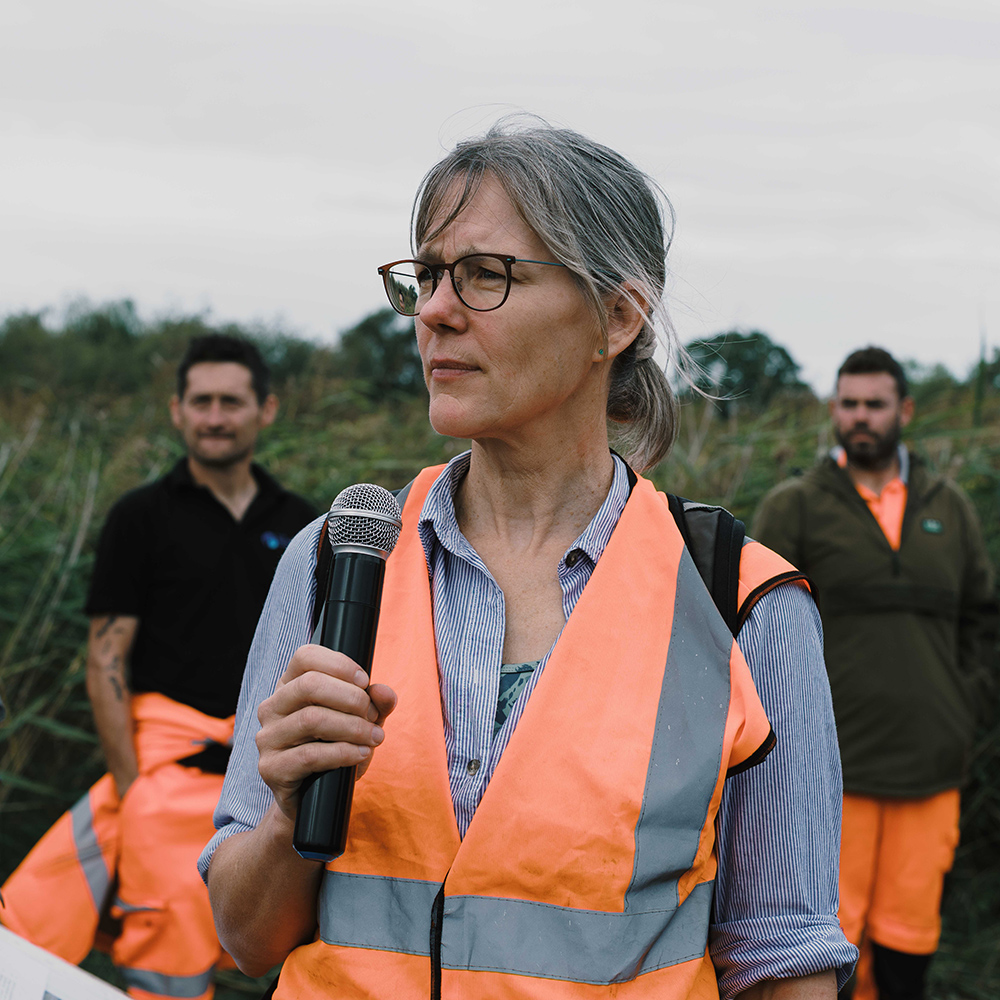
Earlier today the Broads Authority convened a meeting of partners to raise awareness of the growing wildfire risk facing the Broads to strengthen preparedness across this distinctive protected landscape.
Hotter, drier weather and longer high-risk seasons mean wildfires pose an increasing threat to the Broads’ internationally important wetland habitats. Ultimately fire risk poses a danger to rare species and heritage assets, as well as communities and infrastructure. This summer we witnessed the impact of wildfires on protected landscapes around the UK. The Cairngorms, the Peak District and the Brecon Beacons were all affected, whilst a devastating fire in July at Dunwich Heath on the Suffolk Coast brought the danger close to home. This summer, Norfolk has been hit by a number of large outdoor fires, including at Mousehold Heath, Kelling Heath and Shouldham Woods, and called a major incident on Thursday 13 August due to the high volume of incidents across the county.
The half-day session - the first of its kind - was delivered in partnership with Norfolk Fire and Rescue Service as part of the Broads Biodiversity Partnership. The event took place at Reedham Marshes, with support from farmer and land manager Louis Baugh. Partners attending included Local Resilience Forums, land managers, conservation bodies, local authorities, Internal Drainage Boards and representative of local communities. All have an important role to play in identifying high-risk areas, improving preparedness and supporting coordinated responses to wildfires. One of Norfolk Fire & Rescue Service’s tactical response vehicles, a Toyota Hilux 4x4, which is able to attend isolated locations quickly and deal with emergencies in spate weather conditions, was also in attendance. The service also demonstrated the use of its drone, which supports officers by giving them an overview of a developing incident and providing tactical commanders with real-time information.
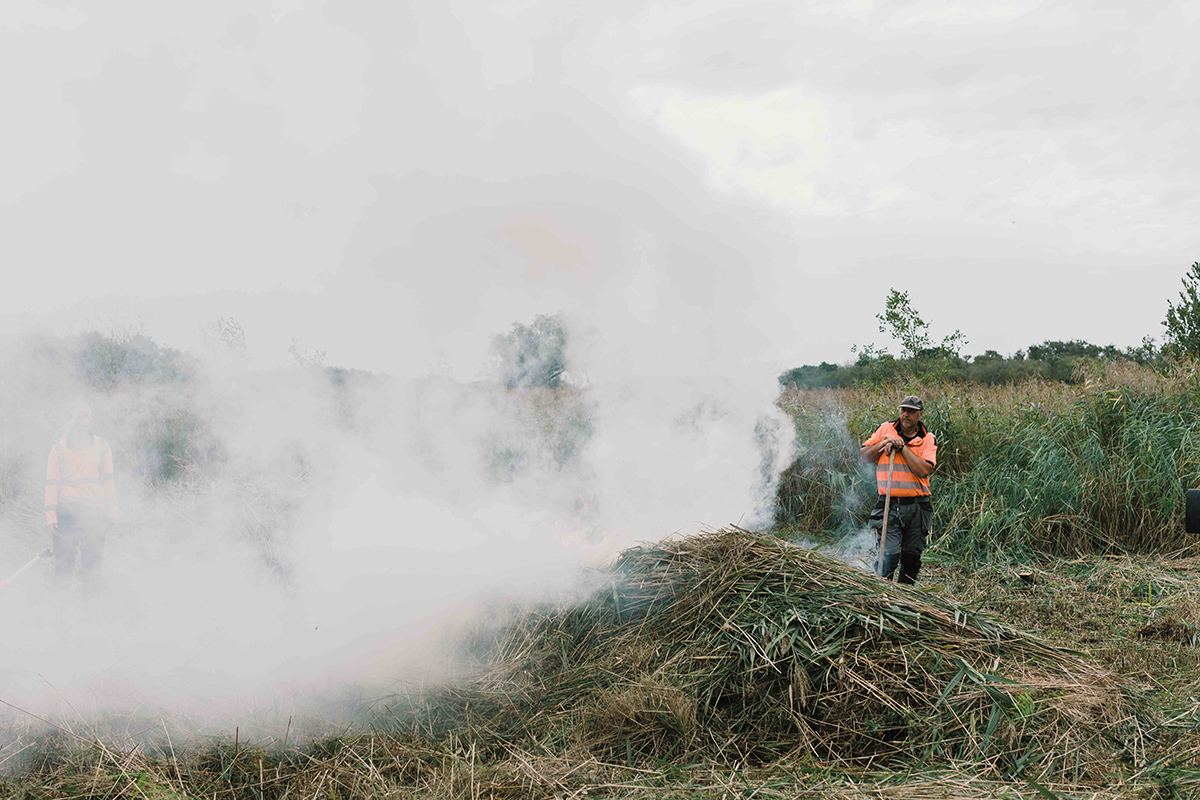
The event focused on the importance of a joined-up partnership-based approach to wildfire management. Whilst reactive frontline firefighting remains the responsibility of Norfolk Fire and Rescue Service, the Broads Authority can play a vital supporting role by sharing site-specific knowledge. Information of relevance to fire fighters might include access routes, details of land ownership, water management assets and the ecological sensitivity of sites.
A key message of the event was prevention. Many wildfires are linked to human activities such as disposable barbecues, campfires, fireworks and discarded cigarettes. Clear public communication, seasonal messaging and targeted awareness activity will help residents and visitors enjoy the Broads safely while protecting people, nature and local livelihoods.
The Broads Authority is committed to embedding wildfire resilience into all areas of its work. Partnership working will include sharing risk assessments, practical mitigation steps, organised training and the sharing of learning through regional and national wildfire networks. By working together, partners can help reduce wildfire risk, improve response readiness and protect the Broads’ landscapes, wildlife, carbon stores, heritage and communities for the future.
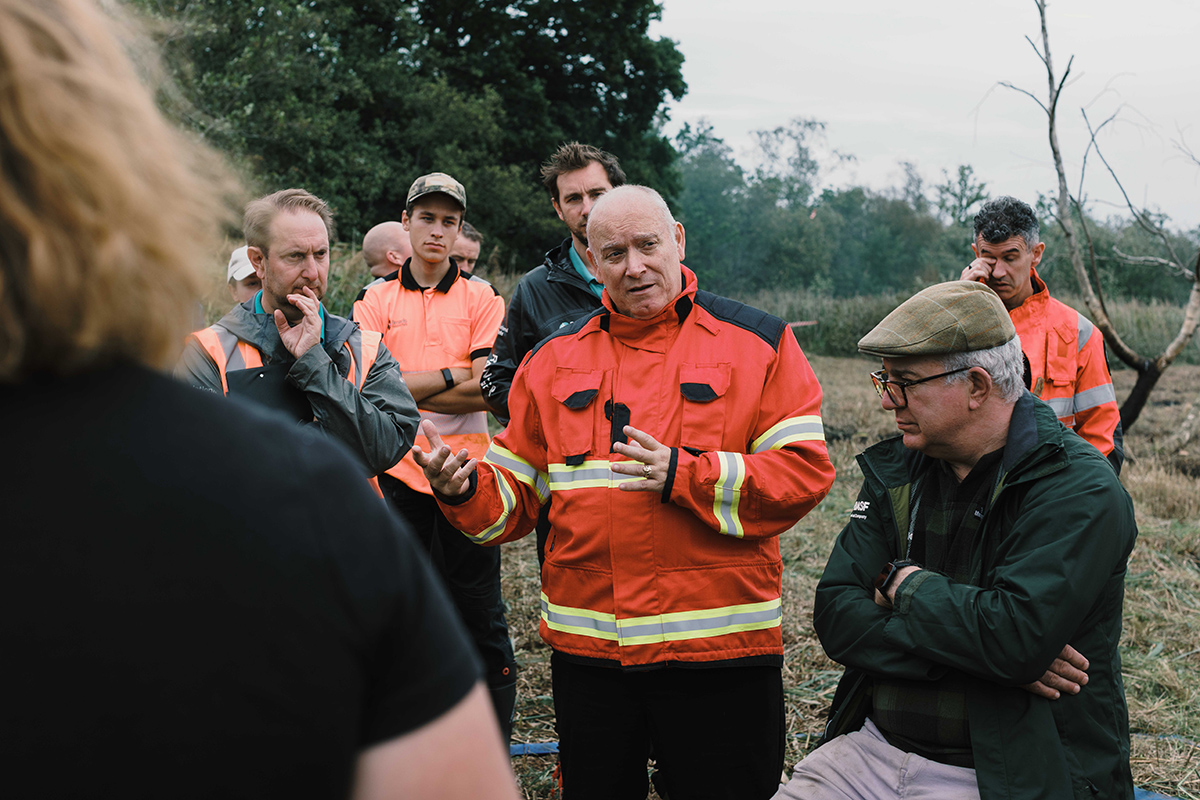
Broads Authority Environment Policy Adviser Andrea Kelly commented: "Although the Broads is defined by water, many of our wetland habitats can become surprisingly vulnerable to wildfire.
In early spring, dry reed and vegetation can create a significant fuel load, and during hot, dry summers lower water levels can leave reedbeds, woodlands and peatland areas at much greater risk.
That is why this is also an opportunity to build more resilience into our landscape. Through our peatland restoration programme, by holding more water on the land, and by restoring ponds that provide refuges for wildlife, we can help protect important habitats and species while strengthening the Broads’ ability to adapt to a changing climate."
Station Manager Mark Duff-Dick, Prevention Manager at Norfolk Fire and Rescue Service, said: “We’ve seen this summer just how quickly fires can spread and how devastating wildfires can be, both in Norfolk and further afield. We’re grateful for how proactive the Broads Authority have been in supporting us with this, and it’s great to work with them and other local organisations to share ways we can all work together to help prevent fires from starting and spreading.
“We would continue to ask the public to be vigilant to the risks of fires in our open spaces, even in the cooler temperatures. If you see a fire, don’t hesitate to call us on 999, and download What3Words so you can provide us with your location.”
Wednesday 30 September 2026