


Why winter is the time to tackle Floating Pennywort
This winter we can make a real impact in the fight to stop Floating Pennywort spreading through the Broads.
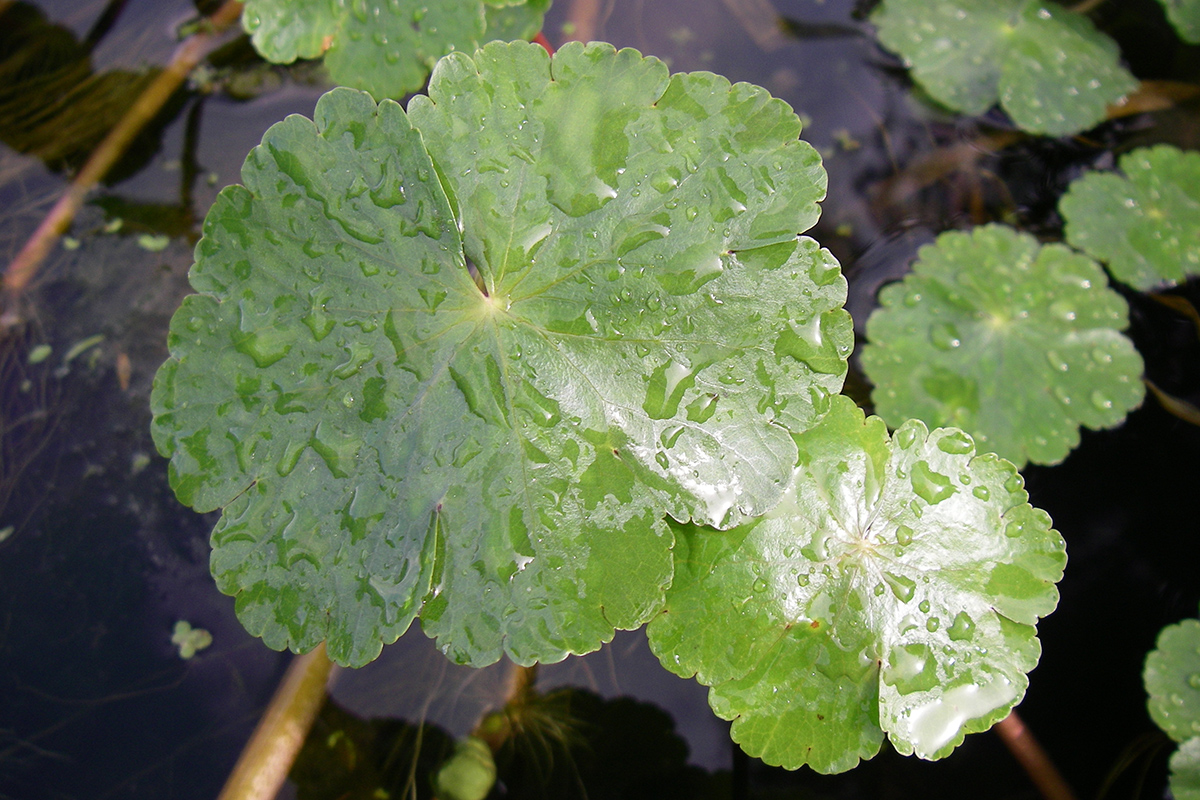
As winter draws in, we have a rare opportunity to make a real impact in the fight against a fast-growing invasive water plant called Floating Pennywort. If left unchecked, this non-native invasive species will spread around the Broads impacting the ecosystem and causing numerous problems to navigation.
Already in adjacent waters of the Upper Ant we are at risk of the type of uncontrolled plant growth that can spread across and block narrow waterways - as has happened in canals in the Midlands. With an astonishingly high growth rate of up to 20cm per day, now is the time for us to take decisive action to protect the Broads from this invasive species.
Hydrocotyle ranunculoides is native to North and Central America and is believed to have arrived in the UK as an ornamental plant for garden ponds. Its kidney-shaped leaves often appear round and are up to 12cm across. The plant is so effective at spreading across the surface of water, it creates what appear to be ‘mats or ‘rafts’ which become so thick they can even be mistaken for solid ground. As well as causing problems for navigation, Floating Pennywort disrupts ecosystems by blocking out sunlight for other species, causing low oxygen conditions and increasing nutrient loads into the water when it dies back.
Early winter is the best time to stop Floating Pennywort in its tracks. At this time of year its large leaves have not yet died back so the plant is easy to spot. By the new year, with the leaves mostly gone, the plant’s networks of stems are hidden underwater and therefore harder to remove. The other reason why winter is a crucial time to tackle Pennywort is that the cold water makes the stems more brittle. This increases the risk that small fragments of plant matter will break off and drift downstream, infecting areas that are currently untouched by this problematic plant. By the time warmer spring weather arrives the plant may have spread throughout the river system and will be ready to flourish in new locations.
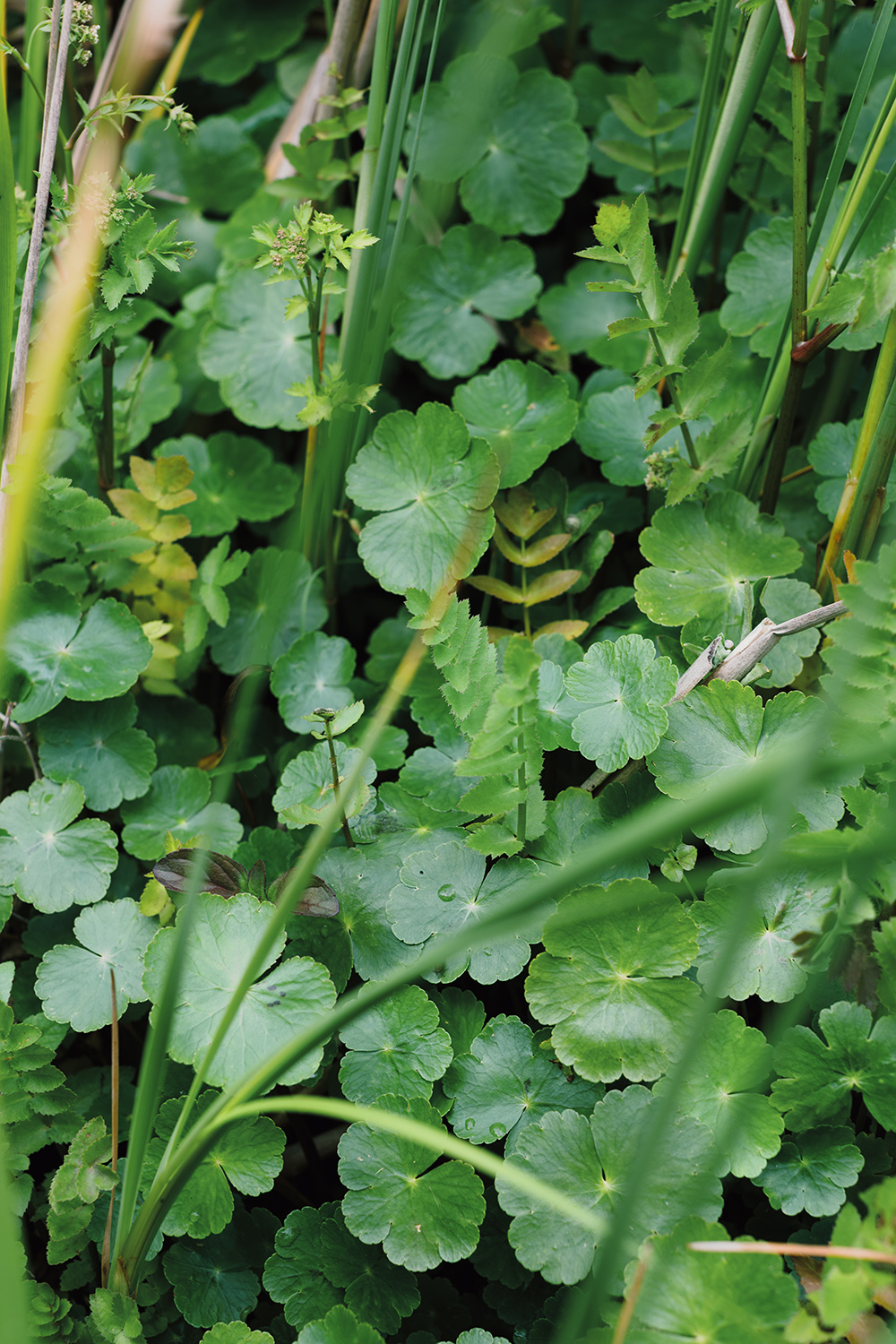
Broads Authority Rangers and Operation Technicians are focussing on removing Floating Pennywort from the navigable waters. Our staff also work with landowners to remove significant areas of growth. However, the problem requires attention from everyone who uses the waterways, particularly those in the adjacent waters of the Upper Ant. We believe the plant is present in the private dykes and moorings around Barton Turf, Dilham, Neatishead, Stalham, Sutton and Wayford, and that boat traffic inadvertently could already be spreading the plant around the Broads.
This winter we are asking all boat owners to check their moorings for Floating Pennywort and to remove it or to ask for help in removing it. If you spot Floating Pennywort around your boat, please remove it from the water or organise for someone else to remove it for you.
- For advice on how best to deal with Floating Pennywort, please contact the Broads Authority by emailing broadscontrol@broads-authority.gov.uk or calling 01603 756056.
- Anyone can record sightings to the Non-Native Species Initiative using the iRecord app.
- Paddlers can play their part too. If you are a paddler, please remember to ‘check, clean and dry’ your SUPs or kayaks after each trip out. Skipping these steps could mean you are inadvertently spreading tiny fragments of floating pennywort around the Broads network.
We all have a role to play in protecting our waterways, and now is the time to act. Floating Pennywort can spread rapidly, threatening the health of our rivers and the wildlife that depends on them. By raising awareness, recognising the plant and reporting sightings, we can work together to tackle its spread before its impact becomes even greater. Protecting the Broads is a shared responsibility, and every action, however small, can make a difference.
How to safely remove Floating Pennywort
We always recommend wearing a life jacket when you are on or around the water.
1. Remove Floating Pennywort from the water with a rake: the ‘spaghetti method’. Wearing gloves, use a rake and twist the tines around the plant stems like spaghetti. Twisting the rake before lifting the plant out of the water minimises the risk that plant fragments will break off and float downstream.
2. De-water: Spread the plant material out thinly and leave to dry out and decompose on the bank. Alternatively leave the plant to drain on the bank before composting in a rubble sac, ‘tunny’ bag or bin bag.
3. Disposal: Once composted, burn any remaining plant material using a safe receptacle such as an incinerator or metal container.
Thursday 19 November 2026