


Contacts
Read more about the main contacts of the Broads Peat Partnership on this page and find who to get in touch with for more information.
Partnership Vision
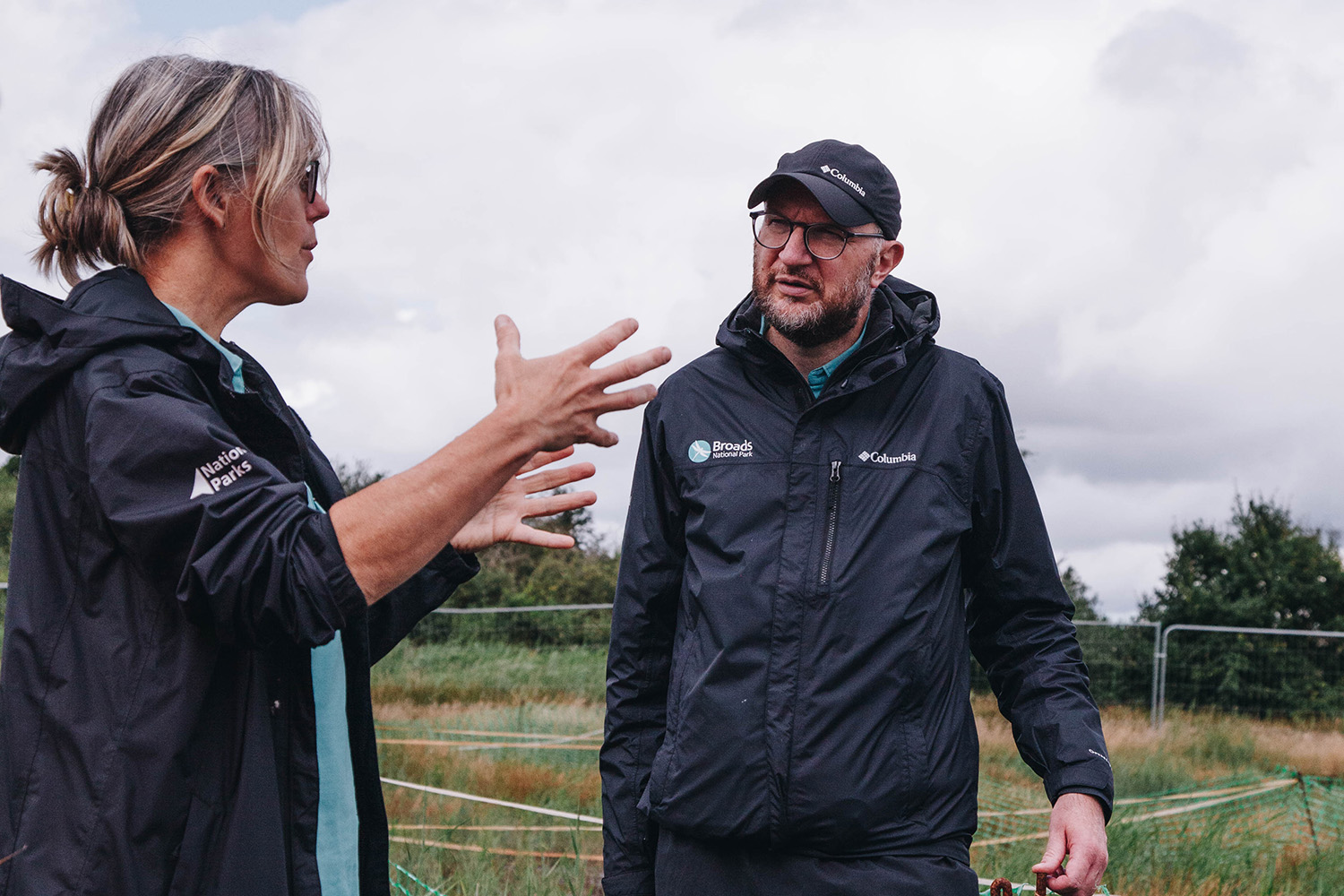
To restore and manage peatland landscapes, carbon-rich soils, and their associated farming systems across the Broads and surrounding peat valleys - delivering outcomes for carbon storage, biodiversity, flood mitigation, water quality, heritage conservation, and resilient local communities. This work will be aligned with regional and national environmental goals, while supporting sustainable farming practices as part of the solution.
England’s Peatland Policy and relevant Strategies
The UK Government’s approach to peatland restoration is guided by several key strategies, most notably the England Peat Action Plan (2021), which commits to restoring at least 35,000 hectares of peatland by 2025 and phasing out the use of horticultural peat. This is reinforced by the Environmental Improvement Plan (2023) and the Net Zero Strategy, which recognise peatlands as vital for carbon storage, biodiversity, and climate resilience.
Restoration is funded through the Nature for Climate Peatland Grant Scheme, part of the wider Nature for Climate Fund, while farmers and landowners can access support via Environmental Land Management Schemes (ELMs), particularly under Landscape Recovery for lowland peat. These efforts are supported by tools like the Peatland Code, Local Nature Recovery Strategies (LNRSs), and Biodiversity Net Gain, positioning peatland restoration at the heart of environmental and climate policy.
Partners
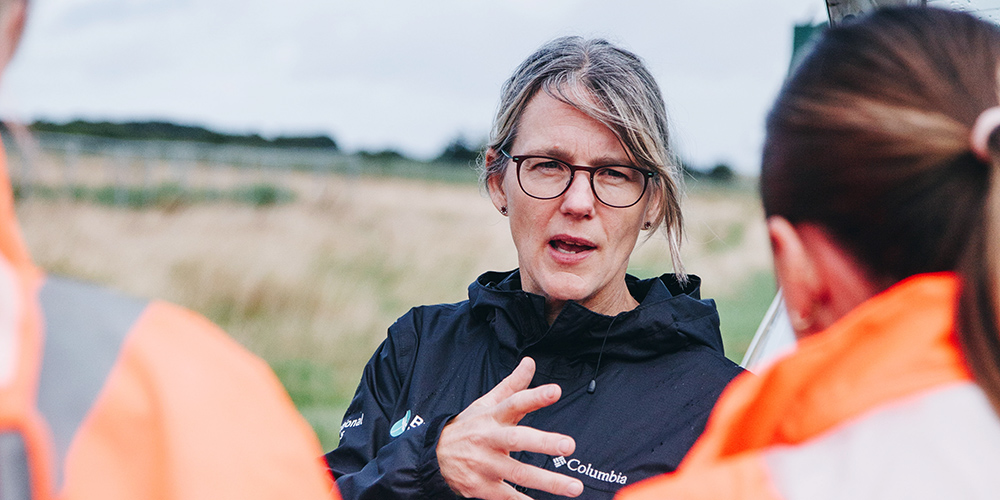
The Broads Peatland Partnership is co-ordinated by the Broads Authority and made up of a wide range of partners including: Anglian Water, Broads IDB, Cranfield University, Environment Agency, Essex and Suffolk Water, National Farmers Union, Natural England, Norfolk FWAG, Norfolk County Council, Norfolk Environment, Food and Farming Ltd, Norfolk Rivers Trust, Norfolk Wildlife Trust, River Waveney Trust, Suffolk County Council, RSPB, Suffolk Wildlife Trust, UKCEH, UEA, Waveney Lower Yare and Lothingland IDB.
In addition, it has links with the following organisations and partnerships: Norfolk and Suffolk Nature Recovery Partnership, Broads Biodiversity Partnership, Broadland Catchment Partnership, Fens East, Fenland Soil, Norfolk and Suffolk Nature Recovery Partnership.
We note that responsibility will transfer to the mayoral authority for Environment and Net Zero. The partners will be updated following these changes coming into place.
Objectives
- Co-develop and implement peat restoration projects across Broads and surrounding peat valleys.
- Secure multi-source funding (public, private, voluntary, carbon finance) to develop demonstration and case studies.
- Share expertise, resources, and data transparently.
- Engage stakeholders and community groups in water management to build understanding of the small changes and new practices that may be needed within existing business models, which they can carry out in a secure and profitable way, while also seeking their support for restoration and monitoring efforts.
- Embed historic environment safeguards and awareness in restoration efforts.
Governance Structure
- Steering Group: Representatives from key partners; responsible for strategy, funding decisions, and communications.
- Technical Working Group: Peat specialists, ecologists, hydrologists, regulators, and landscape/heritage/archaeology advisers as required.
- Secretariat/Coordinator: Hosted by Broads Authority as lead partner to manage logistics, funding administration, and meeting coordination.
- Frequency of meetings: Quarterly
Who to contact for further information
For further information on our peat projects please contact:
Andrea Kelly, Environment Policy Adviser, Andrea.Kelly@broads-authority.gov.uk