


Resources
This page provides information and resources about peat, highlighting its significance as a vital component of the natural environment.
What is peat?
Peat is a soft, organic material made from partially decomposed plants that build up over thousands of years in waterlogged conditions.
The Broads’ wetlands are rich in peat - the result of centuries of natural accumulation. Historically, from the 12th to 14th centuries, peat in the Broads area was dug for fuel, creating pits that later filled with water. These became the rivers and broads we know today, forming one of the UK’s most important wetland landscapes.
We have more information on how peat diggings led to the formation of the Broads on our history page.
Why are peatlands important?
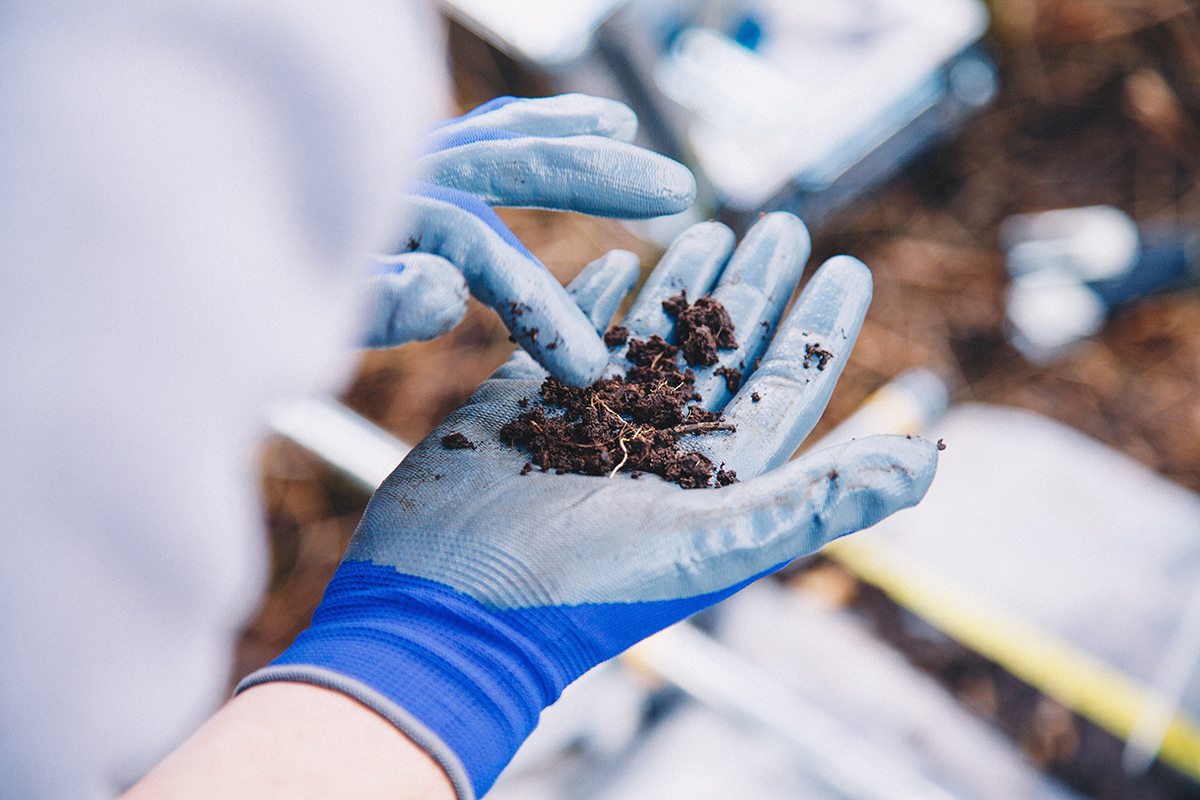
Healthy peatlands are among the most remarkable ecosystems on Earth, offering a wide range of benefits for both people and nature. When they’re thriving, these landscapes quietly perform vital roles that often go unnoticed but are essential for the planet’s balance.
Wildlife habitats
Peatlands are home to an incredible variety of wildlife, including some of the UK’s rarest and most endangered species. Species such as the Swallowtail butterfly, Norfolk Hawker dragonfly, and the delicate Fen Orchid all depend on these unique wetland environments to survive. Protecting peatlands means safeguarding the intricate web of life that relies on them.
Carbon storage
One of the most important functions of peatlands is their ability to store carbon. Over thousands of years, layers of partially decomposed plants have built up to form deep peat soils that lock away vast amounts of carbon dioxide. When peatlands remain wet and intact, they act as natural carbon sinks. However, if they are drained or damaged, that stored carbon is released back into the atmosphere, accelerating climate change.
Flood management and water quality
Peatlands naturally absorb, store, and slowly release water, helping to reduce the risk of flooding during heavy rainfall. This ability to regulate water flow also filters and cleans the water that passes through them, improving the overall quality of rivers and wetlands downstream.
Wildfire prevention
Wildfires release huge amounts of carbon and cause long-term environmental damage. Wet, healthy peatlands are also far less prone to wildfires and by maintaining high water levels, we reduce the risk of peat drying out and catching fire.
The scale of the issue
The Broads’ peatlands store around 44 million tonnes of CO₂ - nearly equal to all emissions from UK electricity generation in 2020.
However, around 2,000 hectares of peatland here have been drained, leading to an estimated 1 million tonnes of CO₂ emissions over the past 40 years. That’s a significant loss, but also a huge opportunity for climate action.
This is why it is so important to protect, restore and enhance peatlands for the benefit of future generations. To read more about what we are up to please see the projects section, or browse the resources below which are relevant to landowners and managers in the Broads area.
The Broadly Speaking Podcast

In early 2026, we launched Broadly Speaking, a new podcast series, funded by DEFRA and the Environment Agency, focused on building a peatland community and addressing one of the region’s most significant environmental challenges: reducing greenhouse gas emissions from 2,000 hectares of drained peat soils.
Hosted by our Environment Policy Adviser Andrea Kelly, the series explores the future of peatlands through conversations with local farmers, landowners, water managers, scientists and environmental experts.
It shares practical, real-world solutions and a range of perspectives on how the Broads can move towards more sustainable land management. It offers a grounded and hopeful insight into a landscape undergoing significant ecological change.
Listen on: