


Buttle Marsh Restoration Project
In 2026, the Broads Authority carried out restoration works on Buttle Marsh, under the Nature for Climate Programme.
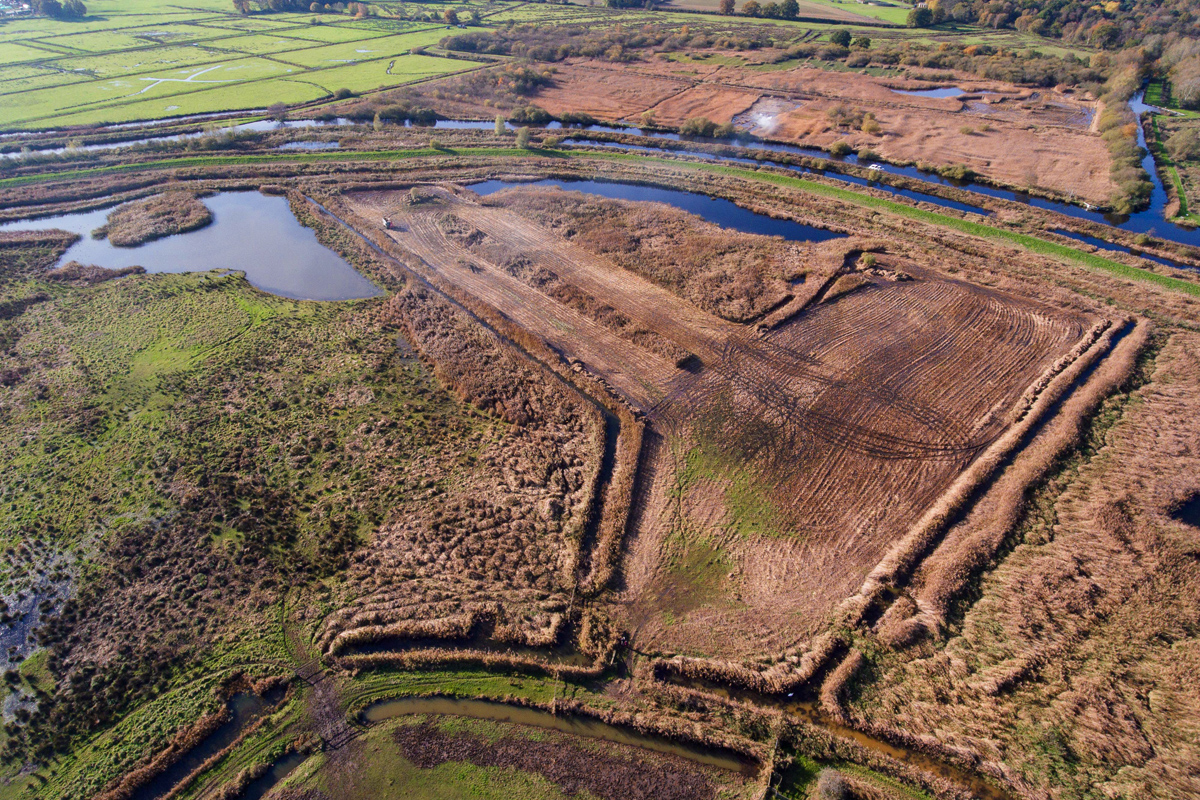
This funding came from the Nature for Climate Peatland Grant Scheme and Anglian Water’s “Get River Positive” Scheme. It follows on from an 18-month project to identify suitable locations for nature-based climate projects in and around the Broads National Park.
Buttle Marsh sits in a curve of the River Ant and has been managed by the Broads Authority since it was purchased in 2003. Prior to the Broads Authority taking over the site, it was used as farmland created by draining the historic marshes.
The ambition after 2003 was for the site to be used to create habitats for bittern, one of the Broads' rarest and most elusive wildlife species. The 25ha reedbed we aimed to create was considered the minimum size required for them to nest. When ponds were dug on the site to provide material for flood defences, it was landscaped to make a habitat for bittern. However, whilst bittern occasionally visit the site, it has generally remained too dry for them to nest.
The new project aimed to raise the water level in the marsh, restoring “peat forming” conditions. This means the marsh will once again fulfil its natural function as a carbon sink, aiding the fight against climate change. It will also create a more valuable fen habitat, making it as attractive as possible for wildlife.
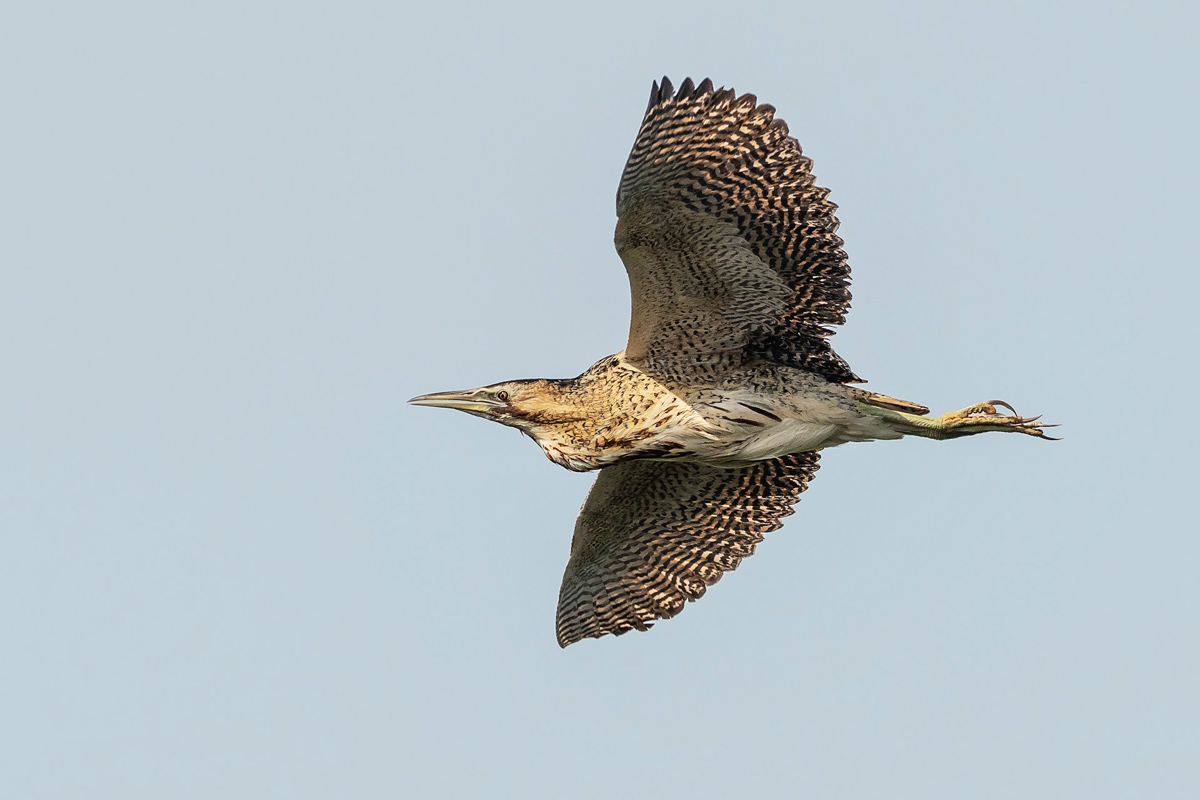
The project explored a number of options for raising the water table within the constraints of the site. These constraints included a ban on summer water abstraction in the Ant Valley, and the presence of protected species such as eels which make the operation of small scale water pumps challenging. The final design therefore focused on improving water retention across the site, using sluices and new bunds.
This work was carried out carefully to protect the existing wildlife in the marsh. Despite not being ideal habitat, it already has substantial populations of species such as water voles and grass snakes. After the works, we found that water voles rapidly colonised new areas of water and bank, showing the value this habitat provides to this nationally endangered species. We look forward to seeing how the site develops and what species settle there in coming years.
The restoration works were completed in 2026.