


Peat Projects
The Broads Peat Partnership (BPP) has received £1,125,800 from 2021 until 2023 and a further £770,000 funding from 2024 to 2025 and £478,088 from 2025 to 2026 funding from Natural England’s Nature for Climate Peatland Grant Scheme (NCPGS).
This funding supports the government’s climate and environment commitments and their focus on restoring extensive areas of the UK’s damaged peatlands.
See some of our current projects below.
-
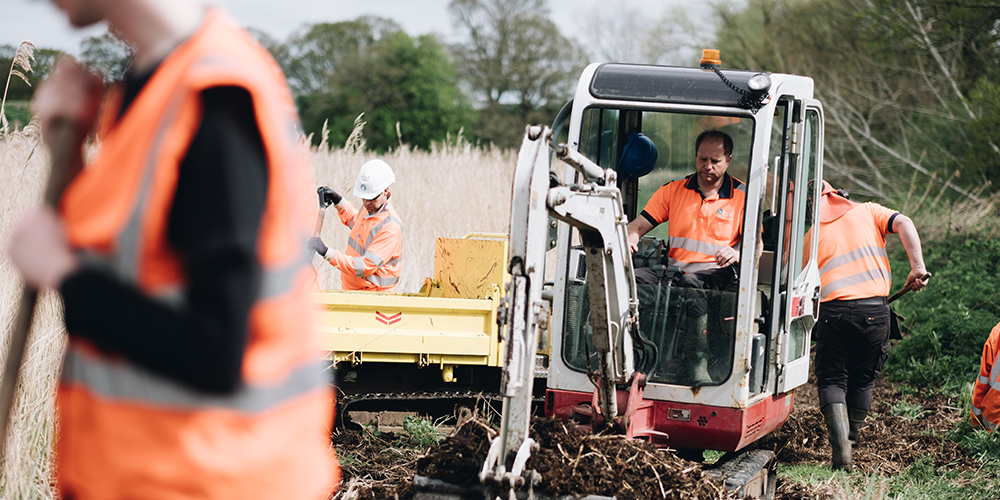
Buttle Marsh Restoration Project
A project to restore water levels at Buttle Marsh near How Hill, benefitting rare species in the Broads.
Find out more
-
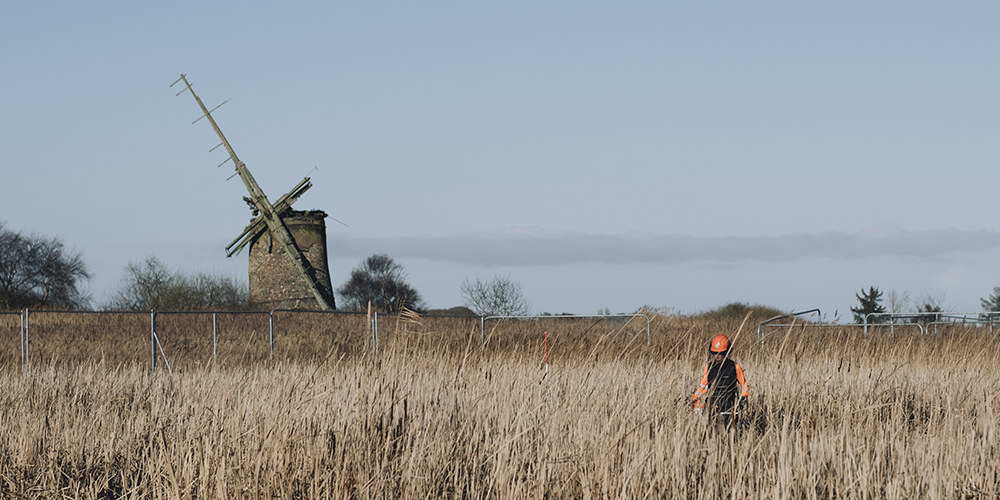
FibreBroads
A project exploring how wetland farming can create sustainable building materials for the future.
Find out more
-
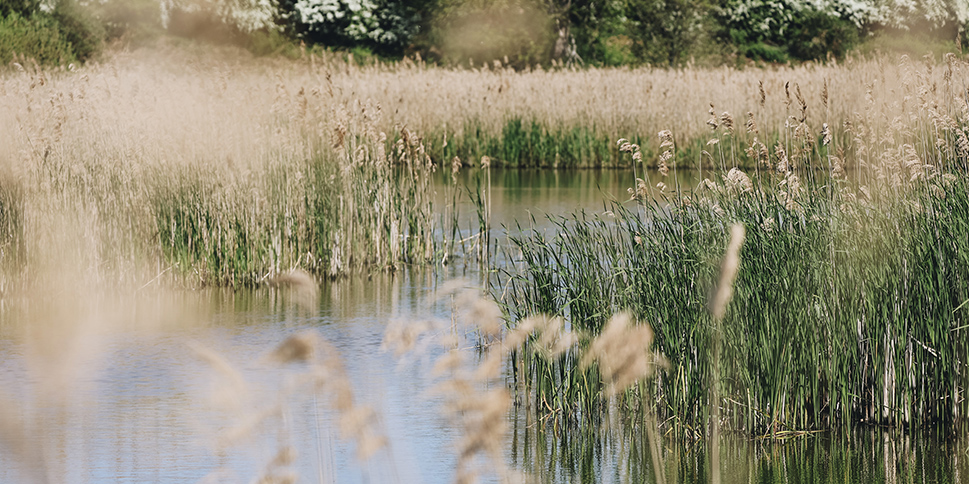
Broads Water Level Management
A project exploring sustainable agriculture, peat management, biodiversity, and lowering carbon emissions.
Find out more
Horsey wet farming and water filtration
We are exploring the growth and harvesting of wetland crops to improve water quality and produce sustainable building products (known as paludiculture). Learn more about our current work on the FibreBroads webpage (above) or watch our short film exploring paludiculture at the Horsey Estate to learn more.
Chestnut Farm Peat Restoration
We are working closely with farmers, helping them access Countryside Stewardship opportunities. Watch our short film with RG Wright and Sons at Chestnut Farm to learn more.
Reviving Reedcutting in Norfolk and Suffolk
We're working with reedcutters, landowners, and Natural England - with funding support - to explore the potential for expanding reedcutting in Norfolk and Suffolk. The aim is to identify reedbeds suitable for harvesting high-quality thatching reed.
While the UK once met all its own thatching reed needs, today around 97% is imported. The Broads still have skilled reedcutters ready to manage new sites, offering a unique chance to revive this traditional craft with ecological and economic benefits.
As part of the project, we’re assessing reedbeds for cutting potential. Where suitable, drafting plans to support future scheme discussions with Natural England.
We’re also engaging and visiting reedcutters in the Netherlands to understand shared challenges and best practices.